
Food Plots
Plan a food plot that works all season
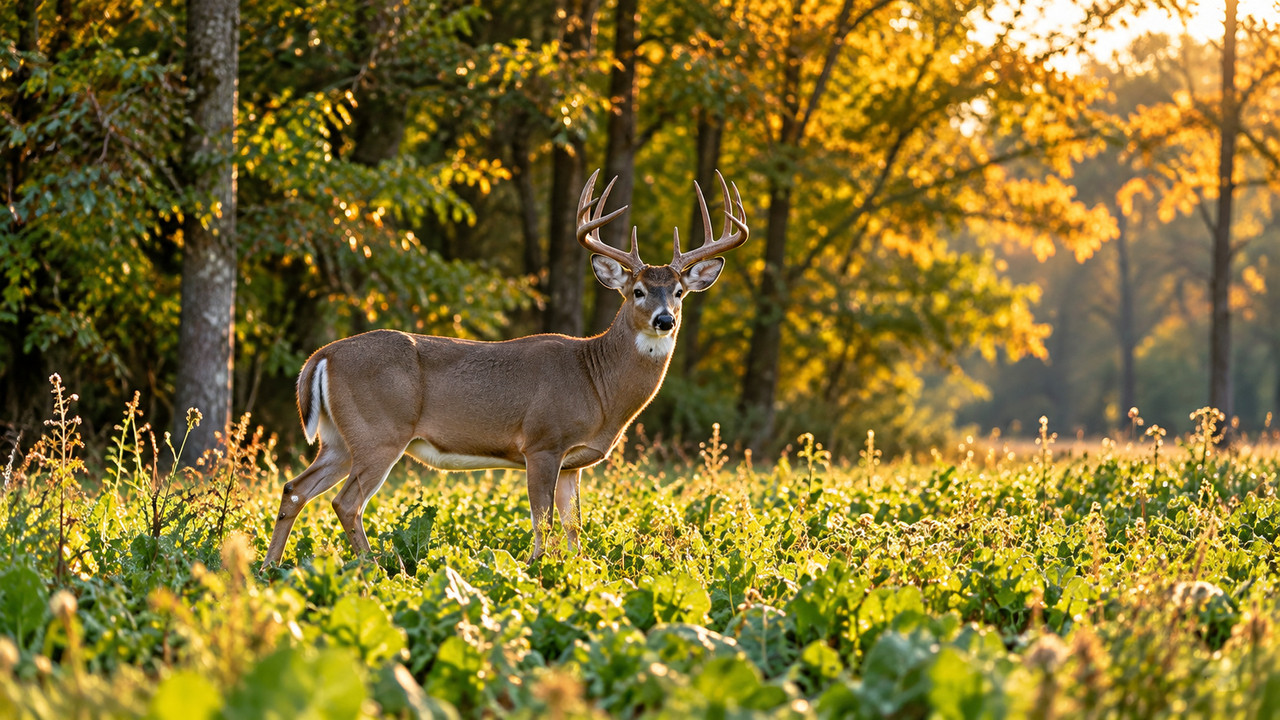
A useful food plot begins with the site, the soil and a realistic plan for the months you want it to provide forage.
Before you pick a food plot mix, spend some time walking the opening where you plan to plant. Look at the shade, the wet spots and the vegetation already growing there. Think about how you will get equipment in and how often you can return.
Those details will do more to guide the planting than the deer pictured on a seed bag.
Put your plan on paper
Draw a simple map of the property and mark the opening you want to use. Add an estimate of its plantable area, access points and nearby cover. Note what you have actually observed rather than what you hope the deer will do.
A food plot is one part of wildlife habitat. Existing food sources and surrounding cover also matter, so consider the property as a whole when deciding where to spend your effort.
Take a soil sample early. If the soil needs lime or other amendments, finding that out the weekend you intended to plant leaves little room to respond.
Decide which months matter
An established perennial planting and an annual fall planting serve different schedules. Clovers can be part of a perennial plan. Annual options include cereal grains and brassicas, depending on the site and planting window.
Using separate areas for different purposes can make management easier to follow. You do not have to put every species in one mix. Choose a manageable planting first, then expand once you know what it takes to maintain it.
Perennial plots still need attention. Plan to check weeds, stand condition and soil fertility rather than assuming one planting will take care of itself.
Keep a record worth using next year
After planting, visit the same spots regularly and take pictures from the same angle. Note where plants establish well, where the ground stays bare and when browsing becomes noticeable. Save the seed label alongside those notes.
At the end of the season, ask a few practical questions. Did the plot provide growth when you wanted it? Could you manage it with the equipment and time available? What would you change?
Share your plot size, soil results and intended planting date with Central Wisconsin Seed when discussing your next food plot.
Good questions grow better results.
Talk with our team about seed for your land.