
Planting Tips
Choosing forage for your acreage
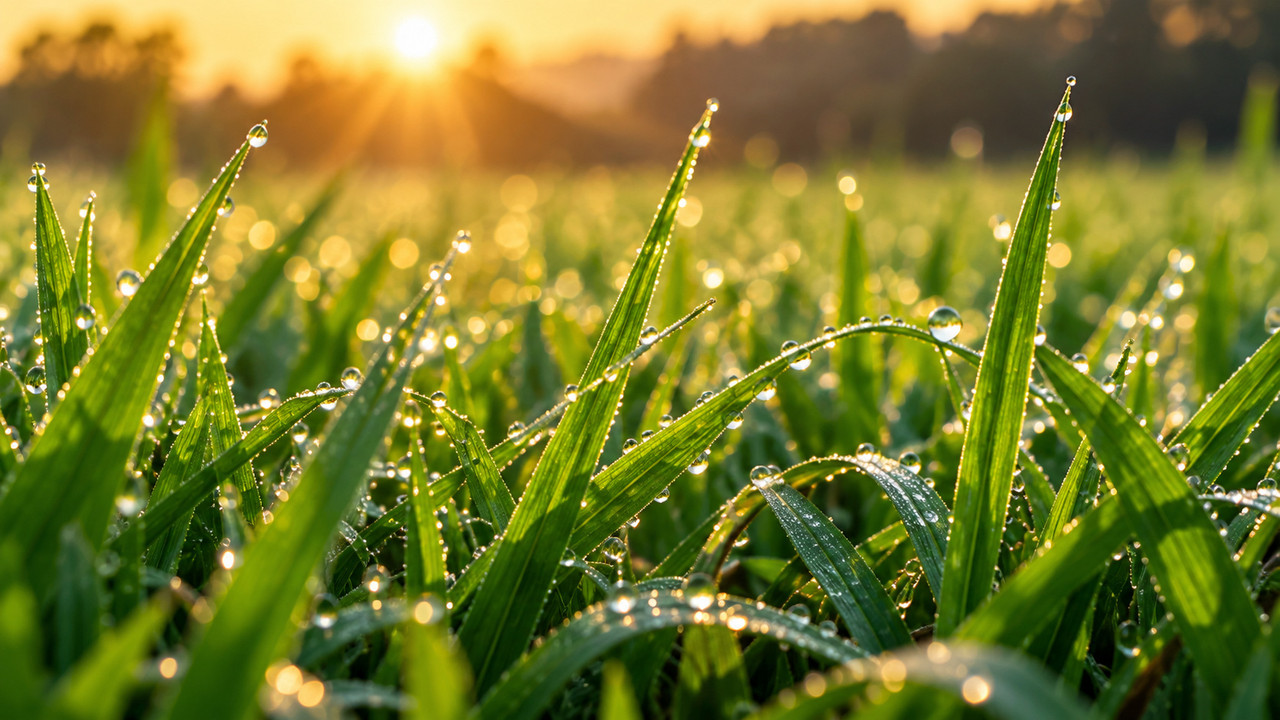
Good forage choices begin with your animals, soil and management. Here is how to make the seed conversation more useful.
When someone asks what forage to plant, the next question should be what they expect to do with it.
Will the field be cut for hay, grazed or used for both? What animals will eat it? How often can you move livestock or harvest the stand? Those answers help turn a long list of grasses and legumes into a useful discussion.
Describe the acres you have
Look at drainage, soil texture and fertility before choosing a species. A field that stays wet after rain presents different limits from a dry ridge. Include those differences when you talk with your seed supplier.
Think about whether the whole field needs the same treatment. Draw the awkward areas on a map and bring photographs if they help explain the site. A seed purchase is easier to discuss when everyone is looking at the same conditions.
Compare growth habits
Common northern forage grasses include orchardgrass, timothy, bromegrasses and fescues. They differ in establishment, seasonal growth and tolerance of harvest or grazing. A familiar name alone is not enough to choose one.
Legumes such as alfalfa and clover may also fit the plan. In a mixture, the components should suit the site and work with the same management schedule. Animal suitability needs to be part of that choice, especially for horse pasture.
Use regional variety information where it is available. Differences among varieties can matter alongside the choice of species.
Budget for managing the stand
Seed is only one part of the job. Soil amendments, weed control, planting equipment and time to establish the stand all belong in the budget. After establishment, grazing rest and harvest decisions continue to affect what the field can provide.
Before you order, write a short description of the project: number of acres, livestock type, hay or pasture use, soil test results and the month you hope to plant. Add any limits on equipment or available labor.
Take that page to Central Wisconsin Seed. It gives the team a practical starting point for discussing forage choices that fit the way you work your land.
Good questions grow better results.
Talk with our team about seed for your land.