
Cover Crops
Build better soil. Start with the right cover crop.
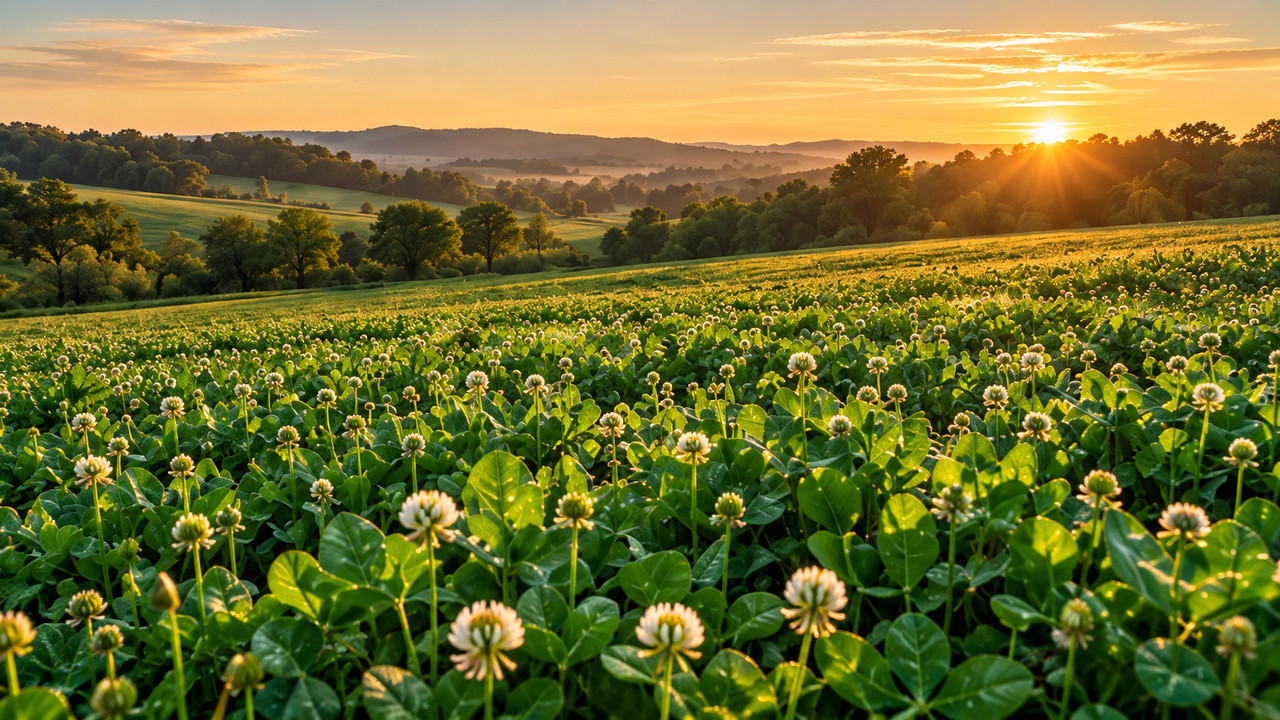
Your next crop, planting window and soil conditions all matter when choosing a cover crop. Here is where to begin.
There is a short window after harvest when the field gets quiet and the next decision matters. What will grow there before the next cash crop goes in?
A cover crop can help protect exposed soil and put living roots back into the ground. Choosing one starts with the job you need it to do and the time you have to grow it.
Give the field a specific job
Maybe your priority is protecting a slope through winter. Maybe you want a legume ahead of corn, or enough growth to compete with weeds after an early harvest. Those goals can lead to different seed choices.
Write down your main reason for planting before comparing mixes. Then consider the field's drainage, the crop coming next and how you will manage the cover in spring. A complicated mix is harder to justify when you cannot explain what each species contributes.
Let the calendar narrow your choices
A field opened up by a summer small grain harvest offers more growing time than one harvested late in fall. That difference matters. Some species need warm weather and a longer stretch of growth to deliver the benefits you want.
Cereal rye is a common option for later planting in Wisconsin because of its cold tolerance. Earlier planting windows can allow more choices, including legumes and brassicas. Clover needs an appropriate establishment window; the flowering field pictured here should not be taken as a promise of what a late fall seeding will look like.
Plan for the following crop
Decide how and when you will end the cover crop before you buy seed. Equipment, spring workload and the next planting date all belong in that decision. Review the previous crop's herbicide program for restrictions that could affect establishment or any planned forage use.
If this is your first cover crop, choose a field you can watch closely. Record when you planted, what emerged and how the field handled the transition into the next crop. Those notes will make next year's choice more useful than a photograph of someone else's results.
Bring Central Wisconsin Seed your harvest timing, next crop and main goal. That is a good starting point for discussing seed options for your acres.
Good questions grow better results.
Talk with our team about seed for your land.